Legionella testing and water management plans that hold up to inspection.
A single positive Legionella result can mean emergency disinfection, retesting, questions from regulators and, in the worst case, sick people. Hydrovida builds your ASHRAE 188 water management plan, runs the sampling and keeps the records, so you know your risk is under control and can prove it.
Who needs a Legionella program
- Hospitals and healthcare facilities. CMS expects hospitals, critical access hospitals and long-term care facilities to have a water management program to reduce Legionella risk, and surveyors check for it.
- Senior living and long-term care, where residents are most vulnerable
- Hotels, resorts and casinos, with towers, spas, fountains and large hot water systems
- Office buildings, campuses and data centers with cooling towers
- Any building with a cooling tower or a complex domestic hot water system
Why Legionella matters
Legionella are bacteria that grow in warm water. When people breathe in contaminated mist or spray, they can develop Legionnaires' disease, a serious form of pneumonia. According to the CDC, about 1 in 10 people who get Legionnaires' disease die from it.
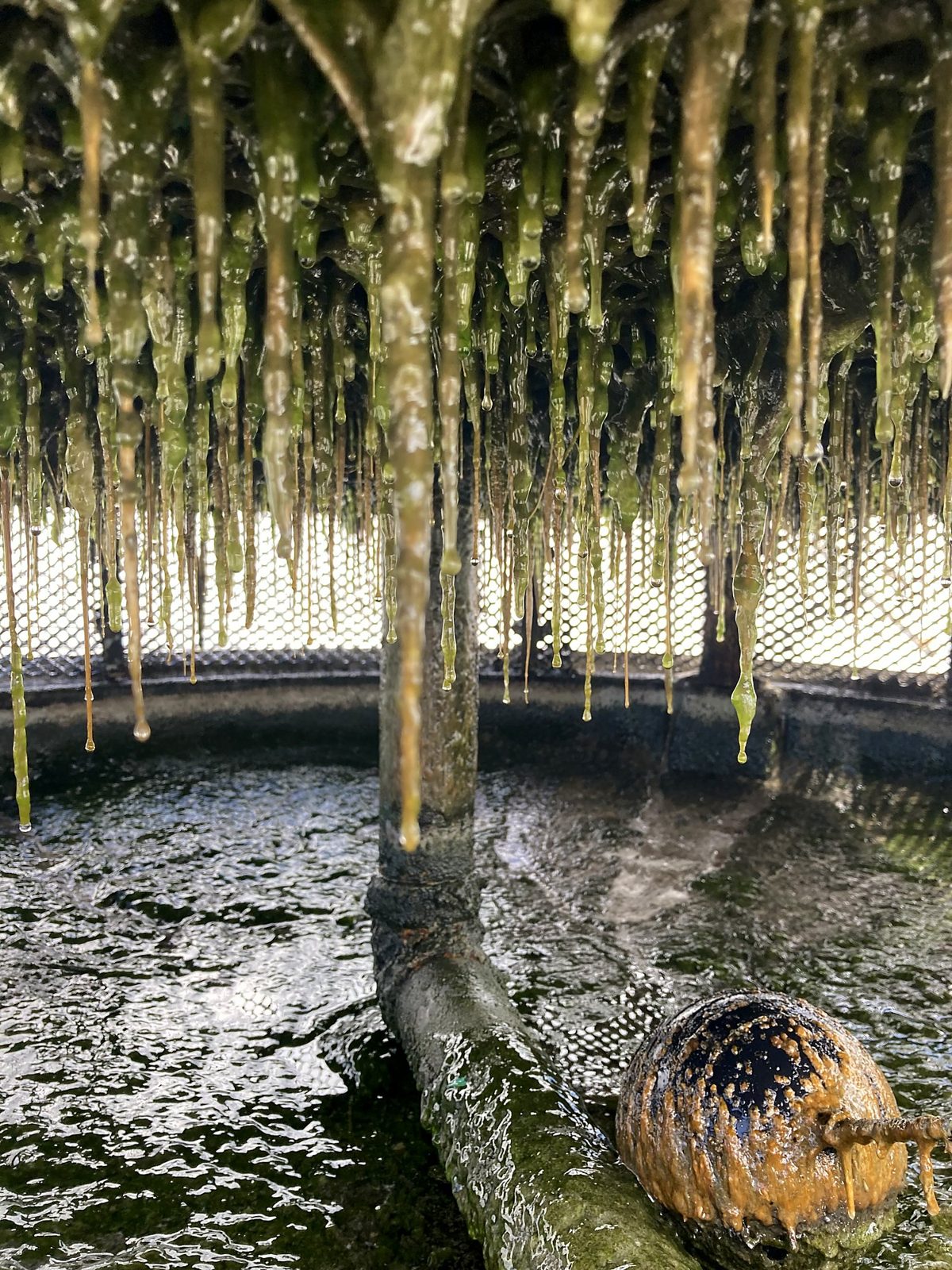
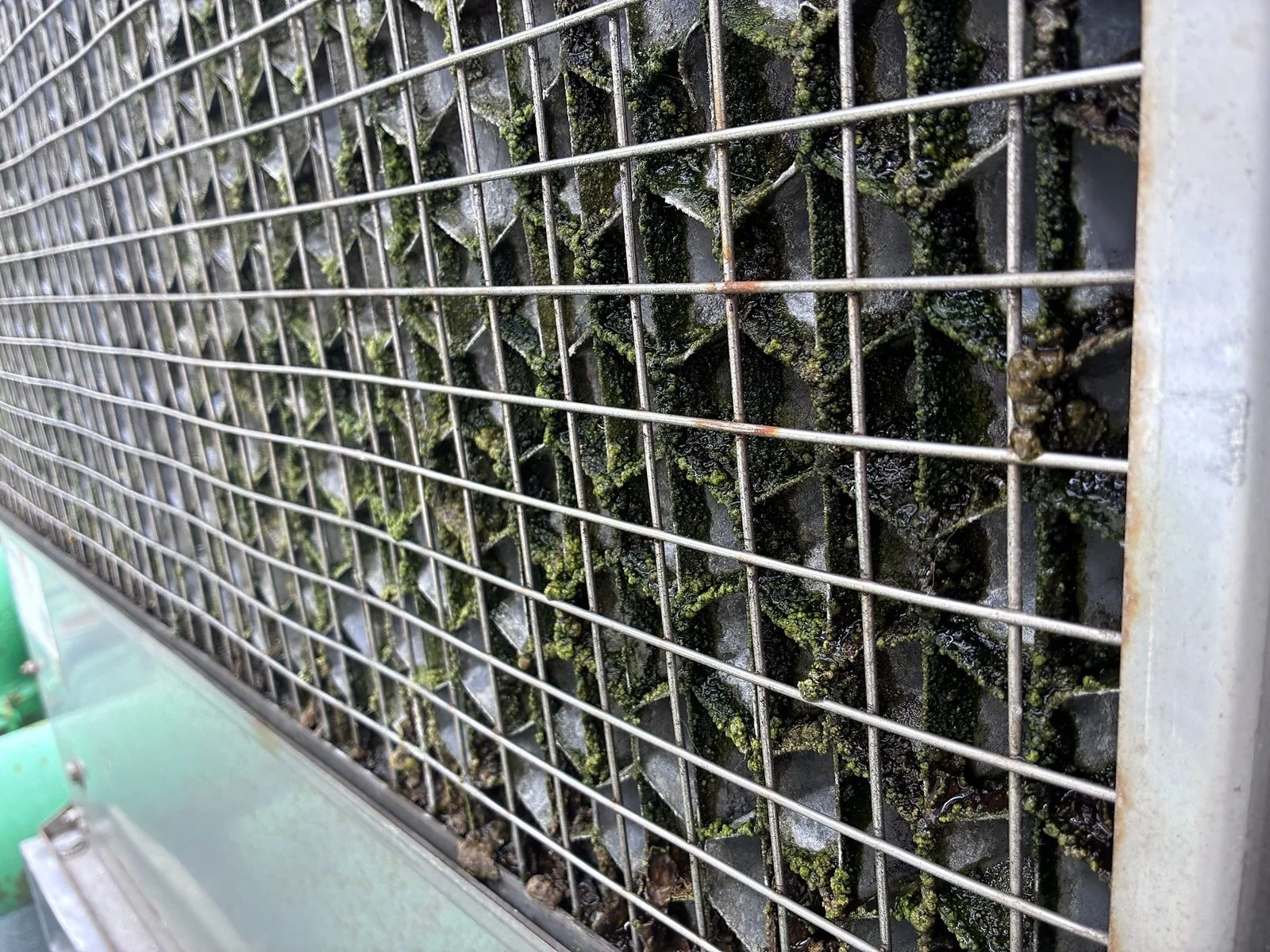
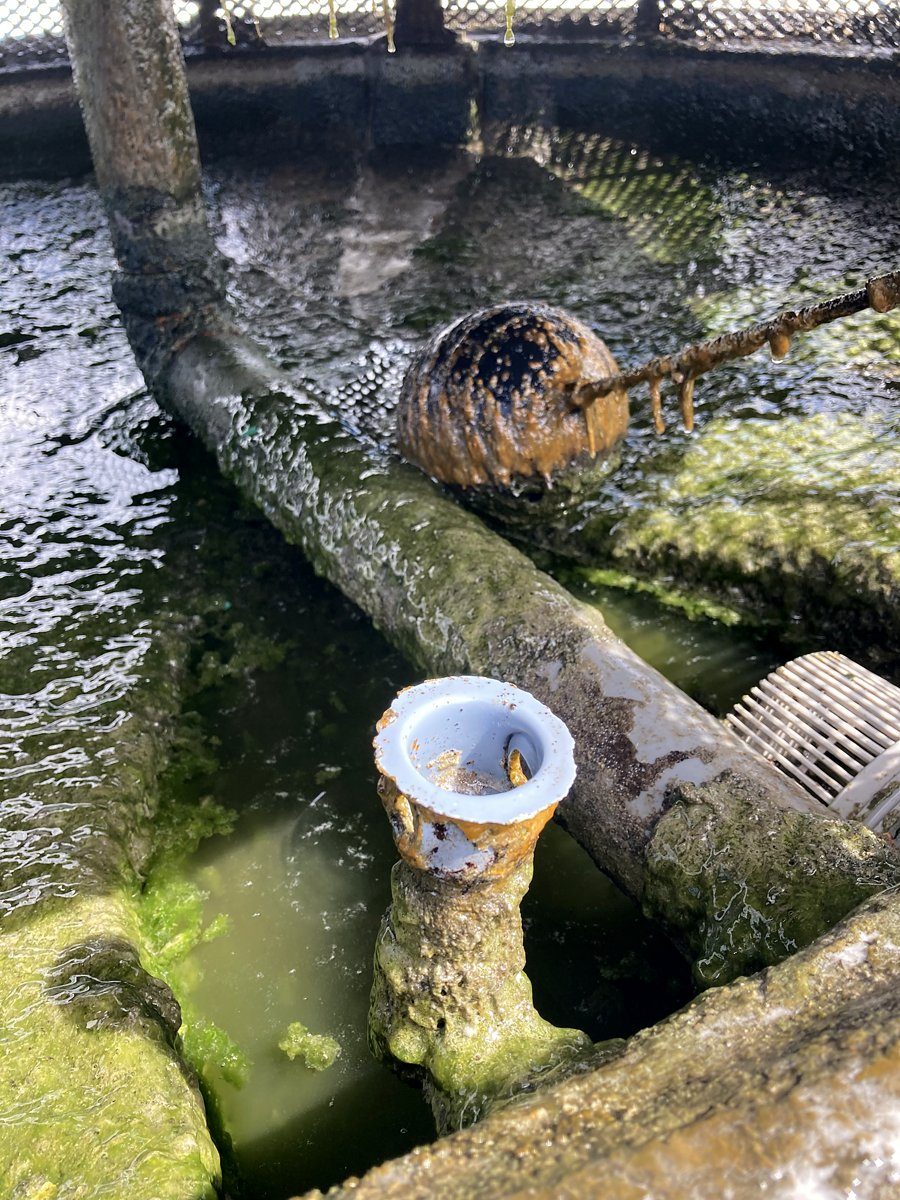
Cooling towers are a common source because they combine warm water, places for biofilm to grow and drift that carries droplets through the air. Hot water systems, decorative fountains and spas carry similar risk.
Where Legionella hides
- Biofilm and sludge in cooling tower basins and fill
- Warm water in hot water tanks and lines kept below safe temperatures
- Dead legs and low-flow piping where water sits still
- Fountains, spas, humidifiers and misters
- Systems restarted after a shutdown without proper flushing and disinfection
How Hydrovida manages the risk
- 01
Facility walkdown.
We map every water system and identify where Legionella could grow and where people could be exposed.
- 02
Water management plan.
We write or update your ASHRAE 188-aligned plan, with control points, limits and corrective actions.
- 03
Treatment.
We design the biocide program for your cooling towers and support controls for hot water systems.
- 04
Sampling.
Routine Legionella sampling by culture and PCR, on a schedule matched to your risk.
- 05
Response.
If a result comes back positive, we follow your plan: disinfect, retest and document every step.
- 06
Review.
We update the plan as your systems, occupancy and results change.
What you get
- A written, ASHRAE 188-aligned water management plan
- Legionella testing by culture and PCR
- Cooling tower biocide programs built for high-risk sites
- Records of every test, result and corrective action, ready for surveyors and auditors
- A clear response plan if a sample comes back positive
For hospitals and mission-critical sites, our service programs typically include quarterly Legionella testing alongside weekly service visits.
Where we provide Legionella services
San Diego County, Los Angeles and Orange County, the Inland Empire, Imperial Valley, the Central Valley, the Bay Area and Sacramento, plus Yuma, Reno and Northern Mexico.
Further readingWhat surveyors look for in a Legionella program →
Questions
What is ASHRAE 188?
ASHRAE Standard 188 is the industry standard for managing Legionella risk in building water systems. It lays out how to assess risk, set control measures and verify they're working.
How often should we test for Legionella?
It depends on your risk. Many high-risk sites, like hospitals, test cooling towers quarterly. Your water management plan should set the schedule.
What's the difference between culture and PCR testing?
Culture testing grows live Legionella in the lab and is the standard confirmation method. PCR detects Legionella DNA and gives faster results. Many programs use both.
What happens if we get a positive result?
We follow the corrective actions in your plan: disinfection, retesting and documentation, and we review what let the bacteria grow.
Can you review a water management plan we already have?
Yes. We'll review it against ASHRAE 188 and your actual systems and tell you what's missing.
Related
Know your Legionella risk before an inspector asks.
A Hydrovida specialist will walk your water systems and review your plan. No cost, no obligation.